A generated fashion shot that looked fine and failed QA
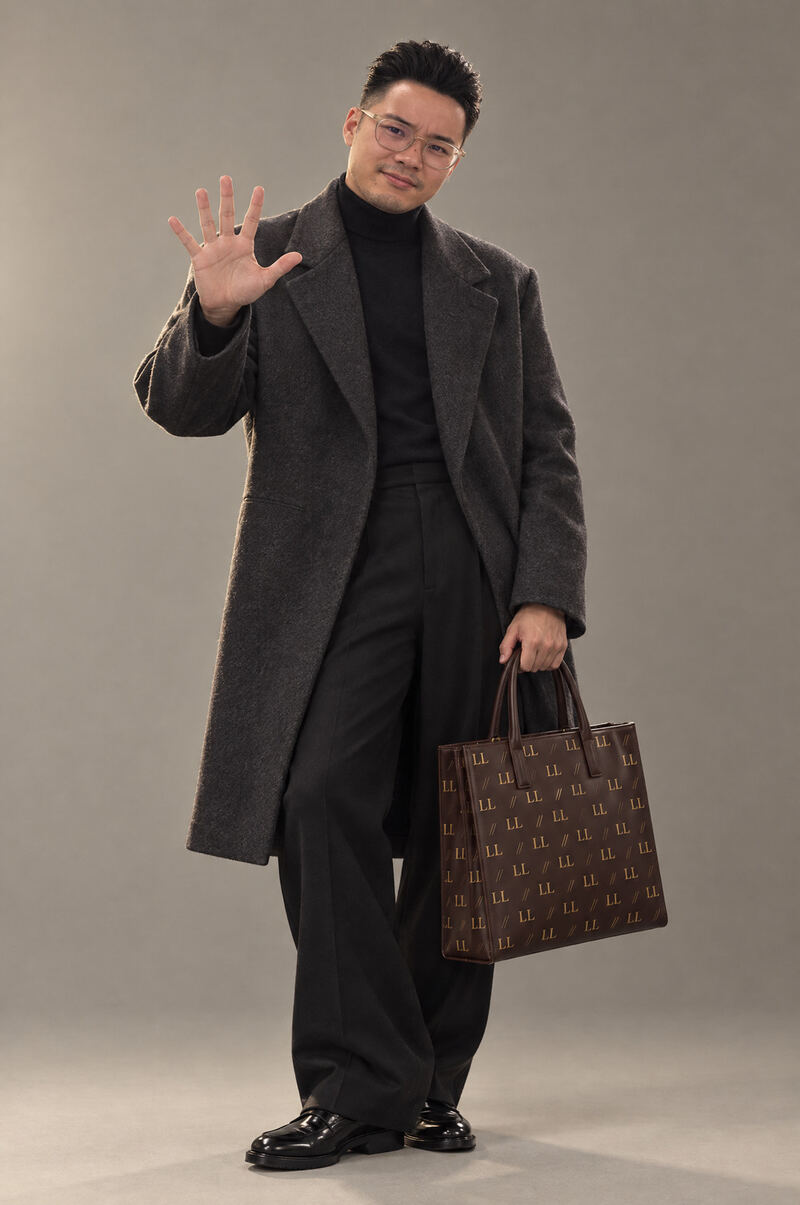
Variant A is a good picture. Nice coat, open hand, the bag reads LL. Nobody on the team would have stopped it.
The QA layer did. The pose detector couldn't confirm the right knee and the right upper arm came out 1.61 times as long as the forearm. Our range for a human arm is 0.7 to 1.6. Small numbers. But that's exactly how a broken arm or a third knee ends up in a campaign: it looks fine at a glance.
Why image models get bodies, hands and logos wrong
Image models don't know what a skeleton is. They learned what bodies look like, pixel by pixel, not how they're put together. Most of the time that's enough. Then a coat hides a knee, a bag covers a hand and the model fills the gap with something that's almost right.
Same with fingers, faces and logos. Letters and patterns are generated as shapes, not spelled. A monogram can drift into something close to your brand. Close isn't your brand.
Five automated checks: pose, hands, limb ratios, face, logo
Every image goes through the same five checks before anyone sees it: a pose skeleton, a hand check (is the hand there and open, like the prompt asked), limb ratios, a face check and a logo check on the product. Each check passes, fails or asks a person to look.
The gate is strict on purpose. We'd rather block a good image than ship a broken arm. A person can always overrule a block. Nobody can un-ship a campaign.
Image QA at volume: who looks at what
If you generate images at scale, making them isn't the bottleneck. Trusting them is. A QA layer turns "someone looks at everything" into "someone looks at the few that need it".
Results
| Check | Detector | Variant A | Variant B |
|---|---|---|---|
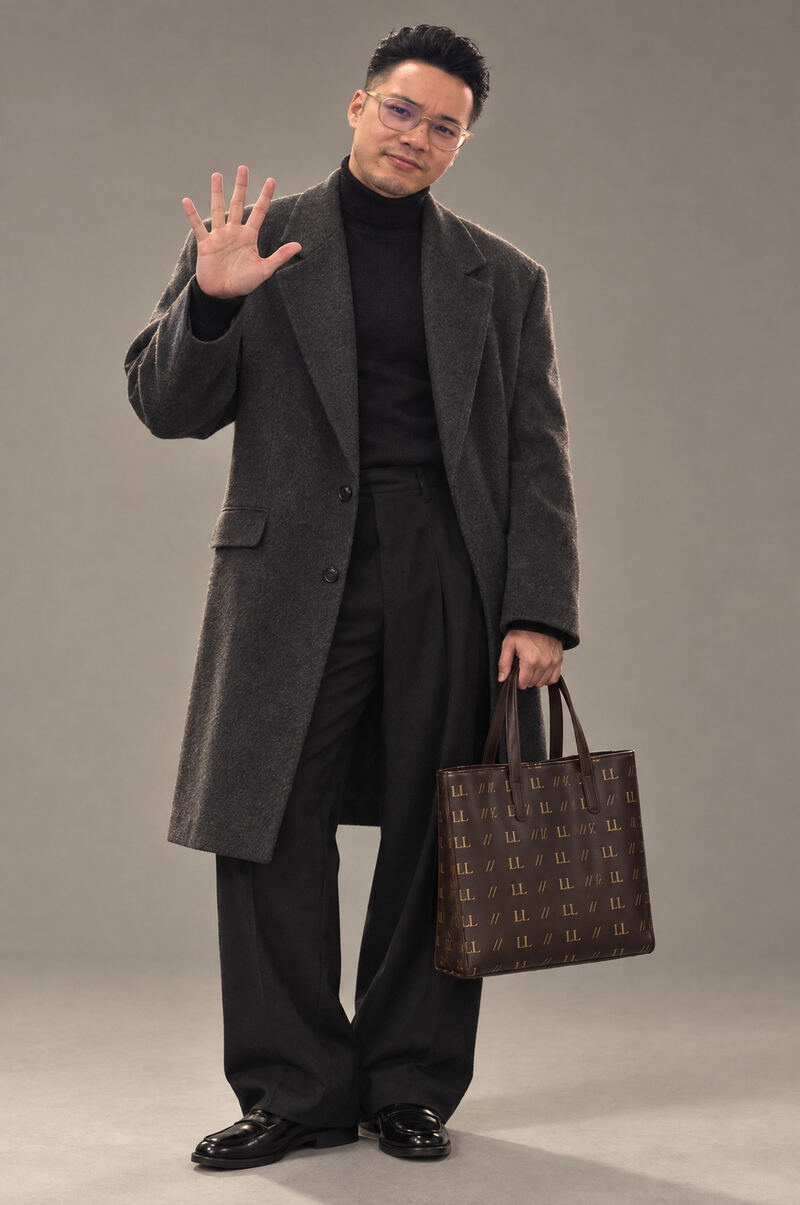
| Pose | pose detector | FAIL 30/33 points, right knee not confirmed | PASS 33/33 points, head to ankles |
| Limb ratios | from the pose points | FAIL right upper arm / forearm 1.61, range 0.7 to 1.6 | PASS 5 ratios in range |
| Hands | hand detector | PASS 5 fingers left, 5 right | PASS 5 fingers left, 5 right |
| Face | face detector | PASS 1 face, confidence 0.95 | PASS 1 face, confidence 0.86 |
| Logo | OCR | PASS “LL” read 4 times on the bag | PASS “LL” read 2 times on the bag |
| Verdict | BLOCKED | SHIPPED |
Limits of this test
- Two images, one run. It shows how the gate decides, not how often models get bodies wrong.
- The hand check can’t catch a sixth or a missing finger: the hand model always fits five. It only tells whether a hand is there and open.
- The face check finds a face. It does not check that it is the same person.
- The limb ranges (0.7 to 1.6 for arms) are our choice, kept generous on purpose: we flag monsters, not poses. Not a published standard.
- The logo check only looks for the letters LL near the bag hand. Whether the monogram came out right is still a human call.
How it works
- Checks
- open-source detectors find the body points, hands and face, OCR reads the logo, then simple rules decide pass or fail
- Images
- 2 generated stills, 1360 × 2048 px
FAQ
Can this QA layer catch a sixth finger?
Not yet. The hand model always fits five fingers, so it can only say whether a hand is there and open. Extra or missing fingers still need a person.
Does a block mean the image is broken?
No. It means a check couldn’t confirm it. Variant A was blocked on a knee the detector couldn’t see and an arm ratio just past our range. A person can always overrule a block.
Which tools run the checks?
Open-source detectors for body points, hands and face, plus OCR for the logo. All of it runs on a normal computer, no cloud and no per-image cost.