Home / Work

Selected work.

Systems we built and run. Hover a project to see its pipeline. Industry words only, we do not name clients.

01 / 05
One brief in, a UGC post out. Same face every time. HOVER · SEE THE PIPELINE
MARKETING · UGC CONTENTPROTOTYPE

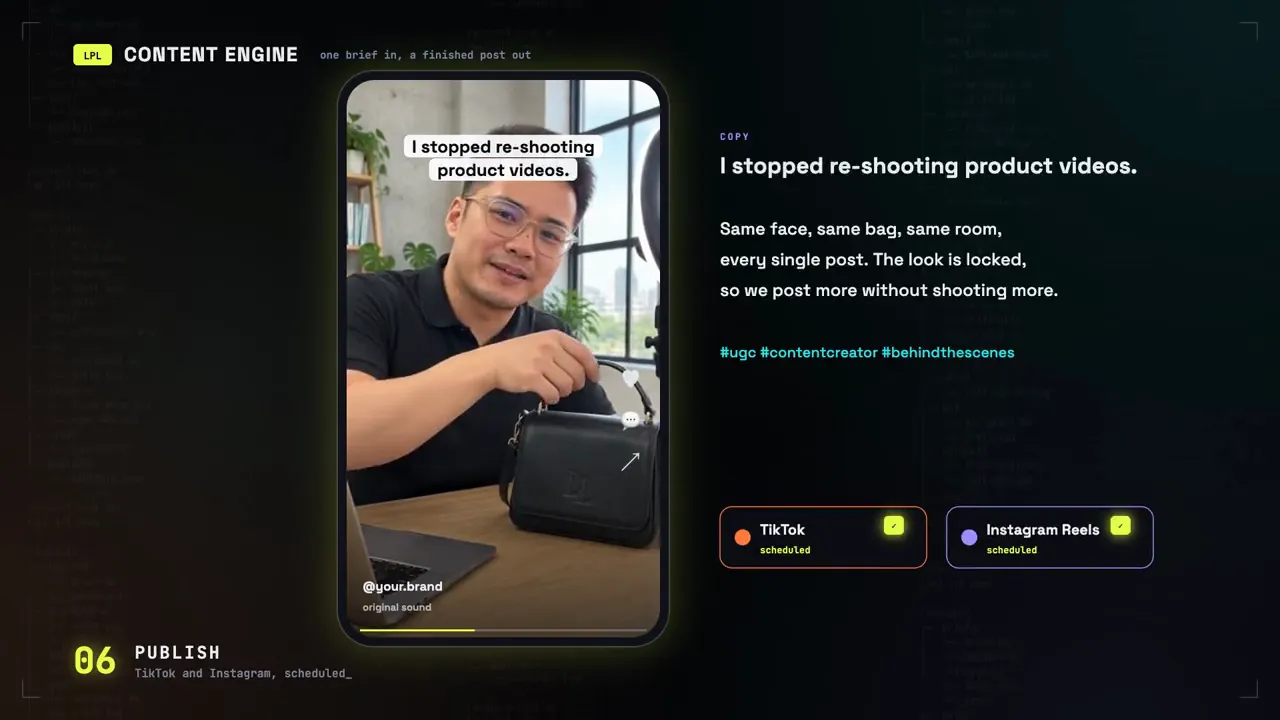
One brief in, a UGC post out. Same face every time.

Photos of a face, a moodboard and one brief in. The engine locks character and set, builds the sheets, checks every keyframe and writes the caption.

The problem

Brands need a steady stream of short videos with the same person, the same product and the same room. Shooting each one means booking people and edits again, and generated content drifts: a new face, the wrong hands, a different bag.

The system

  1. Photos of the face, a moodboard, one briefHUMAN
  2. Character, set and story locked firstMACHINE
  3. Character sheet, environment sheet, storyboardMACHINE
  4. QA on every keyframe: rejects are generated againMACHINE
  5. UGC clip + a caption written for itMACHINE
  6. Scheduled for TikTok and InstagramMACHINE

Time back

6 photos + a brief → a post

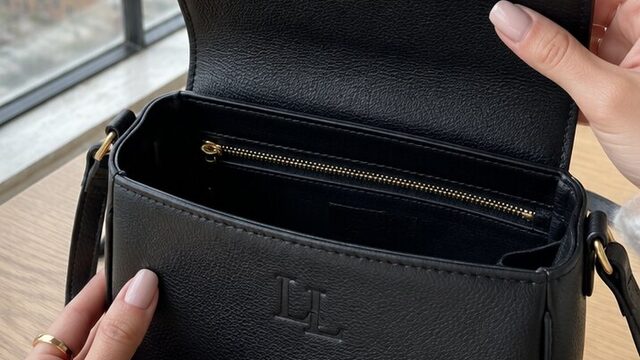
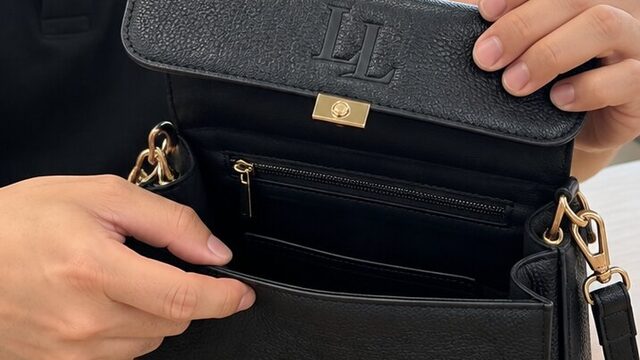
In this run, 6 input photos became a character sheet, an environment sheet and 3 approved keyframes. 2 keyframes were rejected and generated again before anything was animated, one because the hands did not belong to the character. Every image in the film is a real input or a real generation.
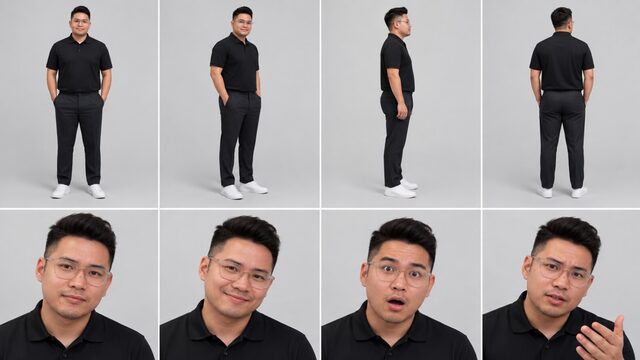

Character sheetEnvironment sheetRejected: wrong handsApproved keyframe
Turn any reference ad into your ad HOVER · SEE THE PIPELINE
ADVERTISING · GENERATIVE VIDEOPROTOTYPE

Turn any reference ad into your ad

Takes a video ad apart scene by scene, keeps the story structure and retells it around your product. Shot by shot.

The problem

Brands see an ad that works and want the same energy for their own product. Briefing that by hand means weeks of storyboards, references and back and forth before anything is shot.

The system

  1. Scene detect + story DNAMACHINE
  2. Product analysis: how it is usedMACHINE
  3. Story retold around the productMACHINE
  4. Story gates: rewrite if the product does not drive the plotMACHINE
  5. One cast, every shot generatedMACHINE
  6. Product check on every frameMACHINE
  7. Animate, a human picks the takesHUMAN

Time back

Reference ad → shot plan

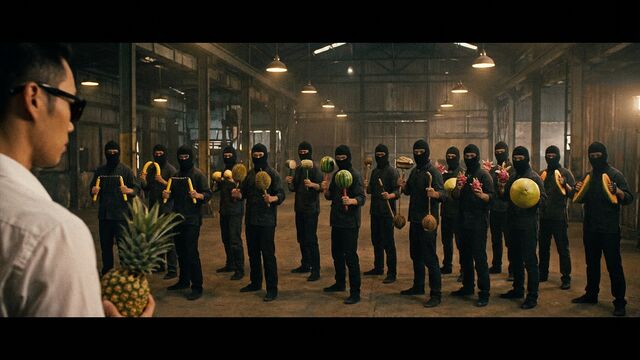
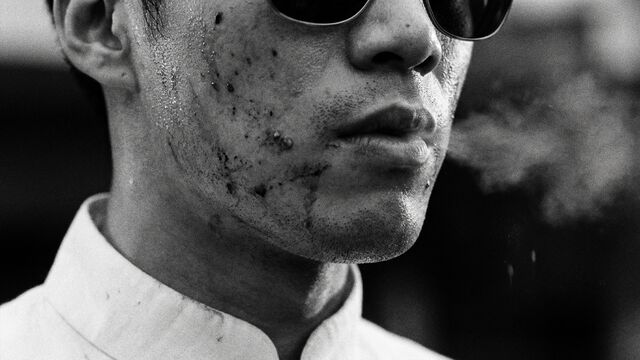
The story is read across 15 dimensions and rebuilt as a beat timeline (18 beats in a test run). A story gate forces a rewrite whenever the product could be swapped out without changing the plot.

Character sheetLineupActionFinal grade
A story series that produces itself HOVER · SEE THE PIPELINE
MEDIA · GENERATIVE SERIESLIVE

A story series that produces itself

One narrative brief in, a finished long-form episode out: character sheet, environment, scenes, continuity QA and an automated edit.

The problem

A series lives on consistency: the same people, the same world, every episode. Done by hand, every new episode means re-explaining the cast, fixing continuity errors and editing for days.

The system

  1. Channel data picks the next ideaMACHINE
  2. Narrative briefHUMAN
  3. Character sheet + environment lockedMACHINE
  4. 12+ scene stills from the same cast and setMACHINE
  5. Continuity QA: people, props, frameMACHINE
  6. Image to video, audio, loop, titlesMACHINE
  7. Thumbnail + copy: taste callHUMAN
  8. Scheduled. Day 14 numbers brief the next oneMACHINE

Time back

100+ tries → zero fixes

The first episode took 100+ iterations to find the method. Later episodes passed continuity QA 12 of 12 with zero fixes and 15 of 15 animations on the first try. About 60 episodes built so far.

EnvironmentSceneSame castDetail
Every document filed. Nothing leaves the building. HOVER · SEE THE PIPELINE
SMALL BUSINESS · BACK OFFICELIVE PILOT

Every document filed. Nothing leaves the building.

Receipts, payroll and employee documents read, sorted and filed by open-source models on one local machine. Questions in plain language.

The problem

Small and mid-size companies keep receipts in a drawer, payroll as one big PDF and employee papers in folders nobody finds. Year end means hours of sorting, and cloud tools mean sensitive data leaves the house.

The system

  1. Photo or PDF sent from a phoneHUMAN
  2. Duplicate checkMACHINE
  3. Local OCRMACHINE
  4. Open-source model classifies and extractsMACHINE
  5. Payroll split into one file per personMACHINE
  6. Human correction only when the model is unsureHUMAN
  7. Plain question in, read-only query, answerMACHINE

Time back

A drawer → 30 seconds

A receipt is read, sorted and filed in 25 to 40 seconds, in the background. A normal day of 10 to 20 documents takes 10 to 15 minutes of machine time and none of a person's. Fully offline, no paid API.

A whole catalogue checked, product by product HOVER · SEE THE PIPELINE
E-COMMERCE · QUALITY CONTROLPROTOTYPE

A whole catalogue checked, product by product

One shop URL in. Every product page scraped, every image classified, every text scored, one report out.

The problem

Shops with thousands of products do not know which ones only have a plain packshot and no image of the product in use. Checking that by hand means clicking through every page.

The system

  1. Shop URLHUMAN
  2. Sitemap crawl: every productMACHINE
  3. Product pages: images + textMACHINE
  4. Cheap pixel rules first, a vision model only when unsureMACHINE
  5. Text scored: SEO, completenessMACHINE
  6. Report: what is missing, per productMACHINE
  7. Walk-through and image planHUMAN

Time back

Clicking through a shop → a half-minute scan

A sample scan reads each product's images and text in about half a minute, without anyone clicking through pages. In most shops we scanned, the majority of products had no image of the product in use.

Next step

Start with a conversation.

A free, no-obligation 30-minute call on where your team loses time. We will tell you honestly whether an X-ray is worth it.

Talk to us →

or [email protected]